2025 Update What factions exist within the Labour Party?
Despite being in power for the first time since 2010, the Labour Party is currently divided between MPs who follow the more pragmatic, moderate, Starmerite model of social democracy and a group of more idealistic, progressive left-wing MPs.
The Labour Party does not currently contain a wide of array of ‘factions’ so to speak, but instead MPs who are more divided on issues, particularly on the question of how the Labour Party should govern whilst in power.
Whilst in opposition, Keir Starmer set about weakening the power of the more left-wing MPs within the party. This was done via an iron rod of discipline which sought to punish MPs who did not follow the centrist path to power charted by Starmer. For example, left wing MPs such as Sam Tarry were de-selected for attending a picket line to support striking workers. The party then used the surprise calling of an election in 2024 to parachute in a number of candidates into constituencies at short notice. These candidates had been chosen by central office and were therefore to the leaderships liking. Of the 411 Labour MPs who were elected in 2024, the vast majority could be described as centrist.
Labour List has created a handy guide to demonstrate how these 411 MP fit into the different factions within the party and how they have diverged on particular issues.
Labour Tribes Mapped: Latest version of PLMR and LabourList’s guide to PLP – LabourList
The following diagram indicates those MPs who are part of the furthest left faction, the Socialist Campaign Group. It currently cites 24 MPs within the faction, including Rebecca Long Bailey, Clive Lewis and John McDonnell.
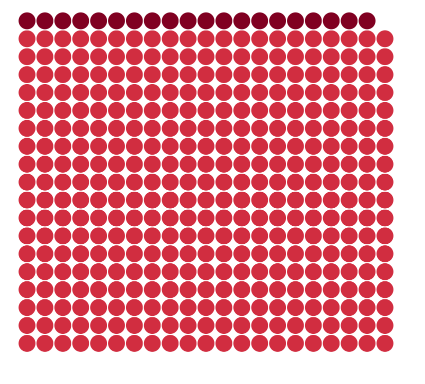
Shaded MPs are those in the Socialist Campaign Group
A new faction within the party recently emerged in August 2025, Mainstream. They call themselves ‘radical realists’ and appear to be on the more soft left of the party. Mainstream have stated that under Starmer they believe the party has moved too far to the right and that it needs a realignment with its democratic socialist values. They would argue in favour of a wealth tax, renationalisation of key industries and ending the two child benefit cap. Mainstream appear to be alligning behind the Mayor of Manchester, Andy Burnham as the candidate who’d they most like to see assume the leadership.
Of the 11 MPs who are members of Mainstream, 3 are also members of the Socialist Campaign Group, whilst 1 is also a member of another faction, Blue Labour.
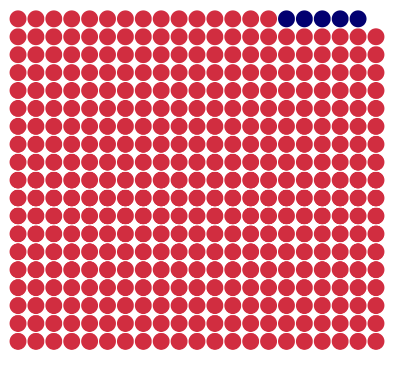
MPs in Blue Labour
Blue Labour is a group of Labour MPs who believe that the party has lost touch with its working class roots. Jon Hinder, Labour MP for Clitheroe and a member of Blue Labour has summarized the political agenda of Blue Labour as “bold, left-wing economic policies, much lower immigration, a complete rejection of divisive identity politics, and proudly reclaiming our patriotism.” Perhaps the most prominent member of the Blue Labour is the current Home Secretary, Shabana Mahmood. As Home Secretary, Mahmood has challenged the left of the party by putting forward much harsher immigration policies. Such policies are in keeping with her Blue Labour credentials.
In early November 2025, it was said that former Transport Secretary, Louis Haigh and former whip, Vicky Foxcroft were looking to revive the once powerful Labour Party faction, Tribune. It has been reported that Tribune has close to 80 Labour MPs in its rank, making it a potentially powerful faction who might be able to muster enough votes behind one leadership candidate to challenge Starmer.
How did each faction vote on the Welfare Bill?
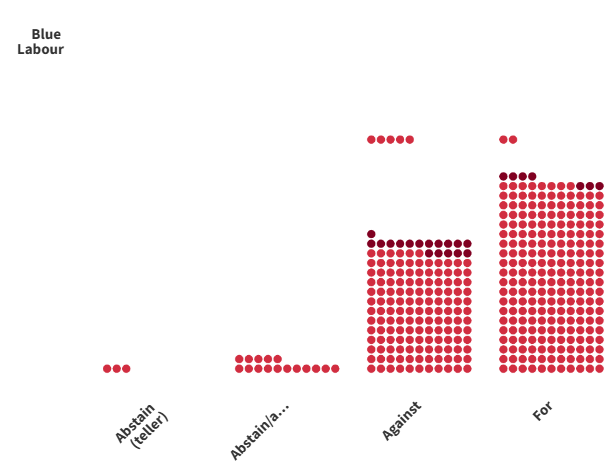
In July 2025, Keir Starmer had to make several concessions on a Welfare Bill that it was hoped would reduce spending on welfare by £5billion. Even after watering down the bill greatly, the Socialist Campaign Group demonstrated their resistance to such cuts by voting on mass against it. By comparison, the MPs of Blue Labour voted in favour.
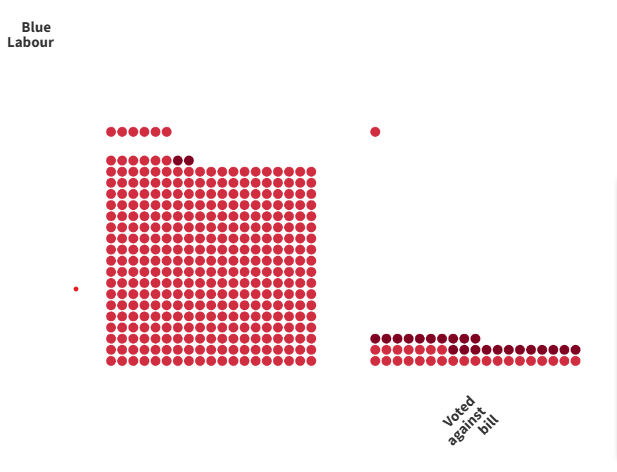
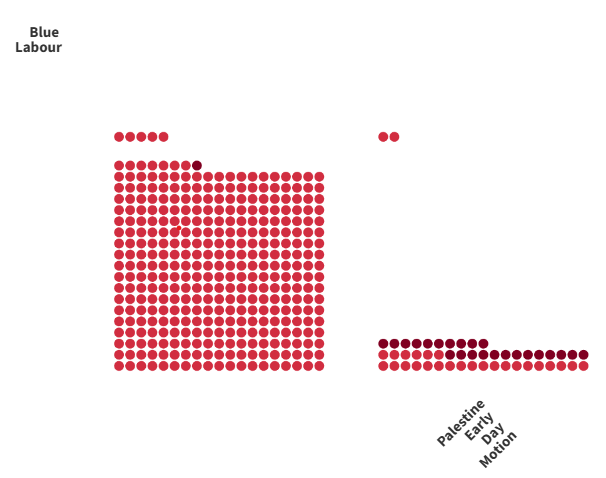
Furthermore, the Socialist Campaign Group almost unanimously voted in favour of an early day motion supporting the recognition of a Palestinian state in May 2025 also. Blue Labour were somewhat split on the issue but 5 of their 7 MPs voted against. It is worth noting how the vast majority of Labour MPs voted in favour.
There was one issue on which all factions within the party were fairly divided, assisted dying. The Assisted Dying Bill was very much a conscience vote and this was reflected in how the factions themselves were split on voting for and against it.
An important point to make about the factions within the Labour Party is how minor they are. There are currently just 24 MPs who are aligned to the Socialist Campaign Group, 7 who are part of Blue Labour and 11 members of Mainstream. Given that Labour currently has over 400 MPs, the vast majority of whom are more centrist and loyal to the leadership, shows the domination that the Starmerite faction currently possesses. However, if this is the case, then why has such open and vocal dissent being heard within the party? If the left wing factions within the party were more significant in number than Starmer could reasonably contend that opposition to his leadership was the work of trouble makers from within these factions. That these factions are small in number and influence, the Prime Minister should be greatly concerned that he has lost his core supporters and ideological allies from within the party.