Third Parties in the UK – Reform
The Kingswood and Wellingborough By-Elections in February 2024 were notable for many reasons. What took the eyes of many was the third-place finish for the Reform Party in both seats. The Conservative MP, Jacob Rees Mogg, argued that the Conservatives defeat was not a cause for concern because as long as Reform voters returned to the Conservative Party in the General Election this year than they would reclaim both seats. Whilst this was true in Kingswood, it would not have been the case in Wellingborough, where the Conservative and Reform vote still did not match that received by the Labour candidate Gen Kitchen.
Rees Mogg was certainly pitching an optimistic vision of how Reform voters will vote in any General Election. Reforms rise in the polls has the potential of doing considerable harm to the Conservative Party for two main reasons:
- It will likely eat into the Conservative Party vote at the General Election. At present we do not know who voted Reform in both of the February by elections. However, given that Reform has positioned itself to the right of the Conservative Party it is fair to suggest that it is the Conservative Party and not the Labour Party who is losing voters to Reform. The thinktank More in Common has suggest that Reform might lead to the Conservatives losing 30 more seats then would be the case if they did not stand. That is not to say that Reform would win even a single MP, but by splitting the Conservative vote they would hand the seat to the Labour Party.
- The other danger is that the threat of Reform forces the Conservative Party into more right-wing positions, particularly over tax and immigration. Whilst this may help to stem the flow of voters in Reform, such a policy risks that the Conservatives losing more moderate voters, particularly in the Home Counties to the Liberal Democrats particularly.
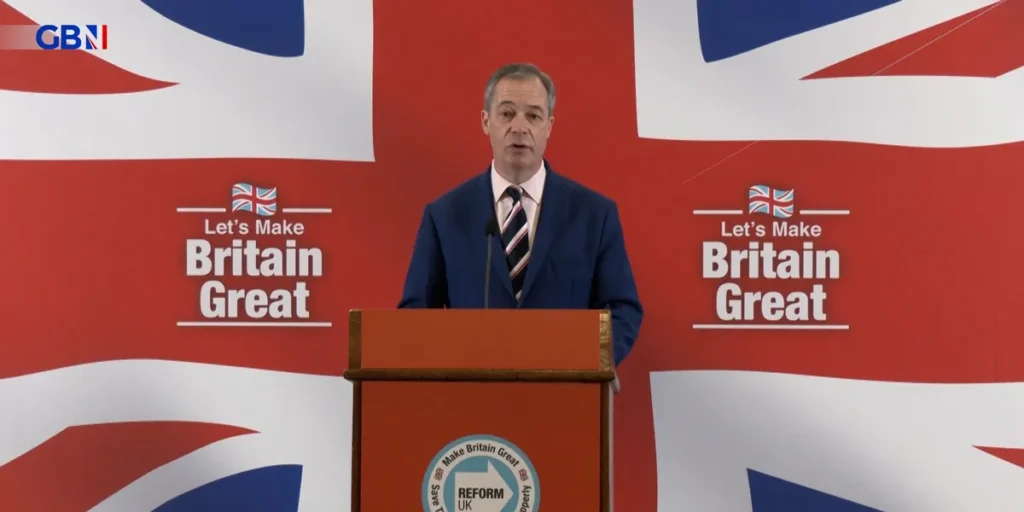
One final point to make about Reform is that the gains they have made on the Conservatives will accelerate if Nigel Farage decides to commit to the party. Though he is the current President of Reform, Farage has done little in the way of publicly campaigning for them. Though it has been suggested that Farage will run as a candidate in Thanet, he has up until now, refused to declare that he will do so. It must be assumed that if Farage does take a public role in any Reform campaign at the General Election, then the Conservative Party will find itself in even greater peril.