What is collective responsibility?
The UK has a cabinet government and whilst the Prime Minister has certain prerogative powers, any decisions that are made by the government are done so collectively by the cabinet. Now, this is peculiar because in fact the vast majority of cabinet ministers do not know about the policies that their government is creating, which are usually devised by the Prime Minister and a small team of advisors or in cabinet committees. Despite this, cabinet members know that a condition of their job is that they must publicly support all policies proposed by the government. Failure to do so will result in their dismissal from the cabinet.
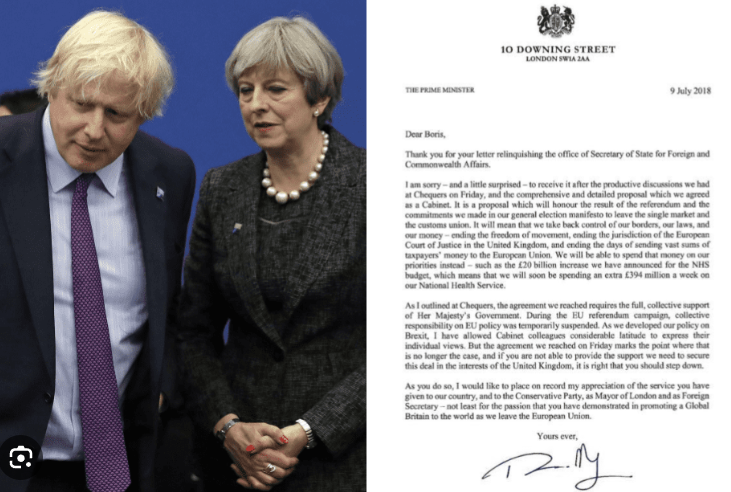
Collective responsibility gives the Prime Minister much more power. It ensures that anyone within the cabinet, many of whom are rivals to the Prime Ministers power, cannot openly present an alternative set of ideas or policies to MPs or party members. This is why many Prime Ministers choose to appoint their rivals to key cabinet posts, keeping them ‘inside of the tent’ as it were. Good examples of this was Tony Blair’s decision to keep his great rival Gordon Brown as Chancellor for 10 years. Had he dismissed Brown then Blair would have been (literally) looking over his shoulder wondering whether Brown was plotting against him. A more recent example saw Theresa May appoint Boris Johnson to her cabinet as foreign secretary. Again, she believed that it was better to have Johnson in the cabinet where he might be silenced by collective responsibility rather then have him offering an alternative solution to backbench Conservative MPs. This backfired massively on May with Johnson ignoring the convention of collective responsibility, going to far as to outline an alternative policy for solving Brexit in an article in the Daily Telegraph. Here the big mistake for May was not to sack Johnson for his breach of collective responsibility which showed her to be weak and lacking authority. Ultimately however, Johnson did resign from the cabinet in 2018 when he said that he could not support May’s Brexit policy.
So, collective responsibility should give the Prime Minister power over their cabinet. However, a Prime Minister must stamp their authority on their cabinet by punishing any breaches of collective responsibility. Failure to do so will make them look weak.