What power does the cabinet have?
The UK cabinet is a body with few real powers. The cabinet meet once a week to discuss the government’s policy agenda but in reality, the Prime Minister has already decided what policies the government will pursue within their own small circles and the cabinet committees. Moreover, the Prime Minister decides the agenda of the cabinet meetings which means that a Prime Minister can keep anything they do not wish to discuss with the cabinet, because it may cause disagreement, out of the cabinet meetings.
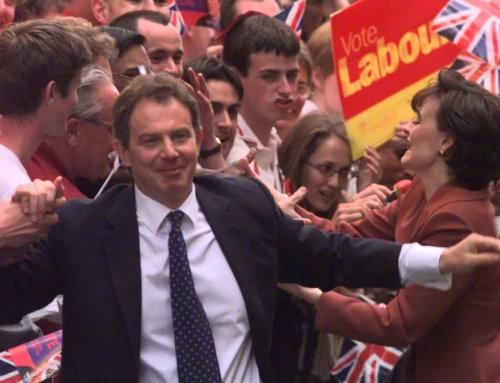
There may be some discussion of policy but any rows are rare as any discussion between the Prime Minister and ministers has usually taken place outside of cabinet before any meeting. Famously, Tony Blair implemented a system of ‘sofa government’ whereby he would make decisions with his inner circle of advisers and then tell the relevant government minister of his plans one on one prior to any discussion within cabinet.

Perhaps the most significant power held by their cabinet is the ability to remove the Prime Minister from office. This has occurred twice in recent history. In 1990, Margaret Thatcher’s cabinet informed her that they no longer supported her as Prime Minister. Without the support of the cabinet, Thatcher had no choice but to resign. A more extreme example occurred in 2022 when 62 ministers (though not all members of the cabinet) resigned. Johnson first saw his health secretary, Sajid Javid and then his Chancellor, Rishi Sunak resign. Johnson attempted to ignore this and found replacements. However, as more ministers resigned it became clear that Johnson no longer had support of the individuals he needed to run the government. Without a functioning cabinet, the Prime Minister cannot feasibly deliver effective government and they are left with no choice but to resign. It should be said however, that this is quite rare and Prime Ministers such as Theresa May and Liz Truss were removed by their party rather then the cabinet.
This is also a reason why a Prime Minister might seek to appoint their friends and allies to the cabinet as they are more likely to be loyal to the Prime Minister in difficult times.